🚨 Pump Troubleshooting Made Easy! 🛠️
Is your pump acting up? Don’t panic! Follow these simple yet effective steps to diagnose common pump issues and keep operations running smoothly. 💪
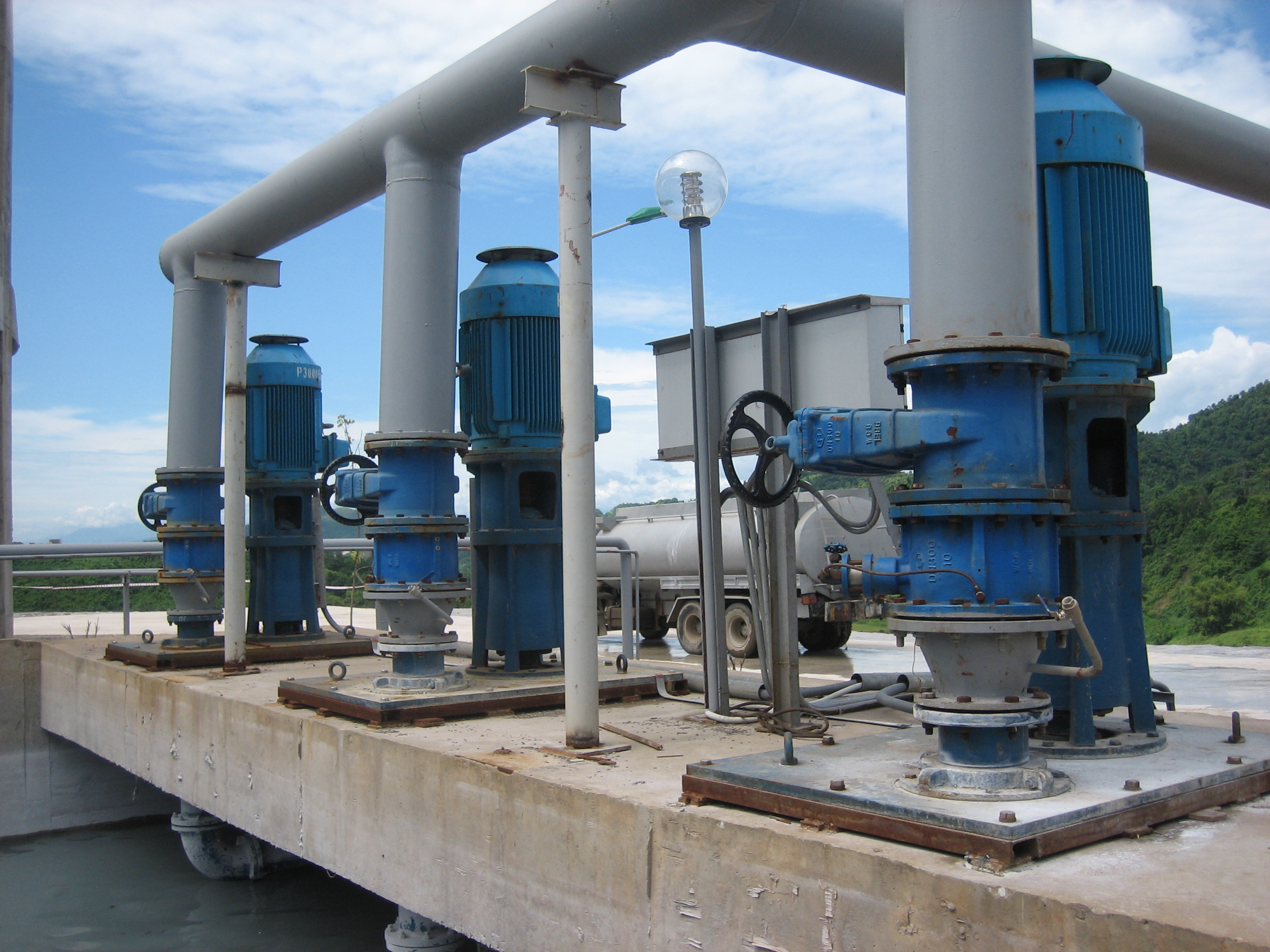
Comprehensive Pump Troubleshooting Guide for Industrial Applications
Begin with a detailed visual examination of the pump and its surroundings. Look for leaks, corrosion, or wear on the casing, seals, pipes, and connections. Early detection of visible damage can prevent catastrophic failures in harsh environments like sulfuric acid or petrochemical processing.
Operate the pump and monitor for abnormal sounds or excessive vibrations. Use tools like vibration analyzers to detect issues like bearing wear, misalignment, or cavitation—common in high-pressure or abrasive fluid applications (e.g., sulfur-phosphorus pumps).
Measure flow rate, pressure, and power consumption. Compare these with design specs or historical data. Deviations may indicate clogging (common in slurry pumps), internal leaks, or efficiency loss—critical for metallurgy and chemical processes.
Inspect wiring, terminals, and motor conditions with a multimeter. Watch for overheating or insulation degradation, especially in pumps exposed to corrosive chemicals or high temperatures.
For automated pumps, test sensors, switches, and control responses. Faulty controls in specialty pumps (e.g., chemical dosing systems) can lead to unsafe operational deviations.
If initial tests suggest internal issues, disassemble the pump to inspect impellers, bearings, and seals. Replace worn parts—vital for pumps handling abrasive fluids like those in mining or sulfur processing.
We specialize in high-performance pumps for:
✔ Petrochemical & Refining
✔ Sulfuric Acid & Harsh Chemicals
✔ Non-Ferrous Metallurgy
✔ Sulfur-Phosphorus Production
📞 Contact Our Experts Today!
☎ Phone: +86-871-67425766 / +86-871-67413111
📱 WhatsApp (24/7): +86-13888130057
✉ Email: sales@jhpumps.com
🌍 Web: jhpumps.com | jhpumps.ru | Made-in-China